

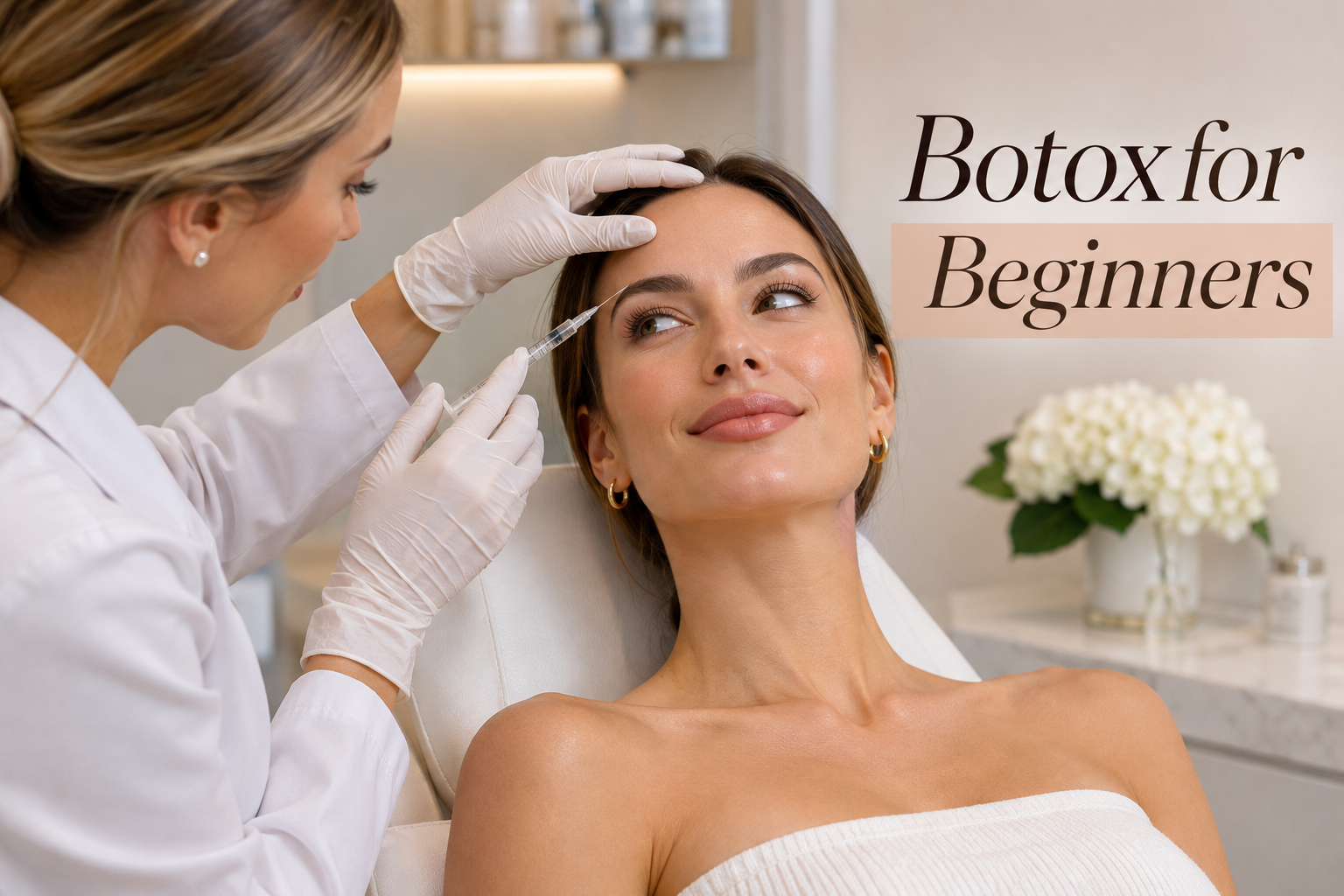
If you have been thinking about Botox but are not sure where to start, you are not alone. For many people, their first cosmetic injectable treatment comes with questions about safety, comfort, results, and whether they will still look like themselves afterward.
Botox for beginners does not have to be confusing. Understanding how the treatment works, what it can realistically accomplish, and how to choose a qualified provider can help you make a more informed decision.
At Effortless Touch Miami, we believe that aesthetic treatment decisions should begin with education and a personalized consultation. Whether you are interested in softening forehead lines, reducing the appearance of crow’s feet, or learning about nonsurgical facial rejuvenation, knowing what to expect is an important first step.
This guide explains the essentials of Botox, including its benefits, treatment process, recovery, possible side effects, and frequently asked questions.
What Is Botox and How Does It Work?
Botox Cosmetic is a prescription injectable medication made from a purified form of botulinum toxin type A, specifically onabotulinumtoxinA.
When administered in carefully selected facial muscles by an appropriately qualified medical professional, it temporarily reduces certain nerve signals responsible for muscle contraction.
As the targeted muscles relax, the skin above them may appear smoother, making some expression-related wrinkles less noticeable.
Botox does not physically fill wrinkles, remove skin, or permanently change facial muscles. Its effects are temporary.
Botox is also the name of a specific product. Other botulinum toxin products, such as Dysport and Xeomin, have their own formulations, dosing requirements, and approved uses. They should not be treated as interchangeable products.
Dynamic Wrinkles vs. Static Wrinkles
Understanding the difference between dynamic and static wrinkles can help explain what Botox may accomplish.
Dynamic wrinkles develop through repeated facial expressions, such as smiling, squinting, raising your eyebrows, or frowning.
Examples include:
- Horizontal forehead lines
- Frown lines between the eyebrows
- Crow’s feet around the eyes
These wrinkles often respond well to treatments that temporarily reduce targeted muscle activity.
Static wrinkles, on the other hand, remain visible even when your face is relaxed. They can develop through a combination of aging, sun exposure, skin changes, and repeated facial movements.
Botox may soften some static lines, but deeper wrinkles may require a different or combined treatment approach.
A professional consultation helps determine which type of wrinkle you have and whether Botox is appropriate.
What Are the Main Benefits of Botox?
One reason Botox remains a popular cosmetic treatment is that it can improve the appearance of certain facial lines without surgery.
However, the outcome depends on individual anatomy, treatment goals, the product used, and the experience of the injector.
1. Softens the Appearance of Expression Lines
Botox can temporarily reduce the appearance of wrinkles caused by repetitive muscle movement.
Common treatment areas include the forehead, the area between the eyebrows, and the outer corners of the eyes.
Some people seek subtle improvement, while others want a more noticeable reduction in facial lines.
The treatment plan should reflect your preferences and medical suitability.
2. Offers a Nonsurgical Treatment Option
Unlike surgical facial procedures, Botox does not require incisions or general anesthesia.
Injections are typically performed during an outpatient appointment, and many patients can return to their normal routines shortly afterward.
This does not mean the treatment is risk-free, but it generally involves less recovery time than surgery.
3. Can Produce Natural-Looking Results
A common concern among first-time patients is whether Botox will make their face look frozen or expressionless.
An individualized treatment plan may allow targeted wrinkle reduction while preserving natural facial movement.
Results are not identical for everyone, and excessive or poorly placed injections can affect facial expression.
Discussing your desired appearance with your injector is essential.
4. Provides Temporary Results
Botox is not a permanent procedure.
For many cosmetic applications, the effects last approximately three to four months, although individual results vary.
This temporary effect allows patients to reassess their goals before deciding whether to repeat treatment.
5. Can Be Part of a Broader Aesthetic Plan
Botox addresses muscle-related expression lines. It does not replace every other aesthetic treatment.
Depending on your needs, a provider may discuss other approaches for concerns such as skin texture, volume loss, pigmentation, or deeper wrinkles.
You can explore additional options through Effortless Touch’s aesthetic services.
What Areas Can Botox Treat?
Botox Cosmetic has specific FDA-approved cosmetic indications. Other uses may be considered off-label and require an individualized medical assessment.
Forehead Lines
Horizontal forehead wrinkles develop partly because the forehead muscles contract when you raise your eyebrows.
Appropriate treatment may soften these lines while maintaining a balanced appearance.
Because forehead muscles also contribute to eyebrow positioning, careful assessment is important.
Frown Lines Between the Eyebrows
Also called glabellar lines or the “11 lines,” these vertical wrinkles appear when you frown or concentrate.
Botulinum toxin treatment can reduce the activity of the muscles responsible for these expressions.
Crow’s Feet
Crow’s feet are lines that form near the outer corners of the eyes, especially when smiling or squinting.
Targeted injections may temporarily soften their appearance.
Other Treatment Areas
Some clinicians use botulinum toxin for additional cosmetic concerns, such as certain lower-face or neck lines.
These applications are not all FDA-approved for every product. Their suitability, benefits, and risks should be discussed individually with a licensed medical professional.
Botox for Beginners: What Happens During Your First Appointment?
Knowing what happens during the process can make your first visit easier to understand.
Step 1: Your Initial Consultation
Your appointment should begin with a discussion of your concerns, expectations, and medical history.
Your provider may ask about:
- Previous cosmetic injectable treatments
- Prescription and over-the-counter medications
- Vitamins and supplements
- Allergies or prior reactions
- Neuromuscular conditions
- Pregnancy or breastfeeding
- Facial surgeries or previous procedures
- Your desired cosmetic outcome
This assessment helps determine whether treatment is appropriate.
It is also your opportunity to ask about the injector’s qualifications, the specific product being used, possible complications, and the total cost.
Step 2: Facial Assessment
Your provider may examine your face both at rest and while you make different expressions.
This allows them to evaluate muscle activity, facial symmetry, and the location of expression lines.
The assessment is important because two people with similar wrinkles may require different treatment approaches.
Step 3: Treatment Planning
If you are a suitable candidate, your provider will explain the proposed treatment areas, expected outcomes, and relevant risks.
The number of injections and the amount of product depend on the treatment area, individual anatomy, and product-specific guidelines.
More product does not automatically mean a better result.
Step 4: The Injection Procedure
The treatment involves placing small amounts of the prescribed product into selected muscles using a fine needle.
You may experience brief pinching or mild discomfort.
The injections themselves generally take only a few minutes, although the full appointment may be longer because of the consultation and assessment.
Step 5: Aftercare Instructions
Before leaving, you should receive instructions about what activities to avoid, which symptoms are expected, and when to contact your provider.
Follow the instructions provided for your specific treatment rather than relying on generic advice from social media.
You can also visit our Before & After Care page for additional information. Always prioritize the instructions given directly by your treating clinician.
How Long Does Botox Take to Work?
One of the most common questions from first-time patients is whether Botox produces immediate results.
Botox does not usually create its full cosmetic effect immediately after injection.
Some patients begin noticing changes within the first few days.
The American Academy of Dermatology reports that many people see improvement within approximately three to seven days, while the full effect may take around two weeks to develop.
The timeline depends on the specific product, treatment area, and individual response.
A General Botox Results Timeline
Day 1: You may notice small injection marks, mild redness, or temporary swelling. The wrinkle-reducing effect is usually not fully visible.
Days 2–4: Some patients begin noticing subtle changes in muscle movement.
Days 5–7: Expression lines may appear softer as the product takes effect.
Around days 10–14: Many patients are closer to their full treatment response.
Following months: Muscle activity gradually returns as the effect wears off.
This timeline is approximate and should not be interpreted as a guarantee.
If your results appear uneven or different from what you expected, contact your treating provider rather than seeking additional injections elsewhere.
How Long Does Botox Last?
For many people receiving cosmetic botulinum toxin treatment, results last approximately three to four months.
Some individuals experience a shorter or longer duration.
Several factors may influence how long the effects remain noticeable:
- The product administered
- The area treated
- Individual muscle activity
- Treatment technique
- The prescribed dose
- Previous treatment history
- Individual biological response
As the effect gradually decreases, normal muscle movement returns and expression lines may become more visible again.
Botox does not permanently eliminate wrinkles or stop the natural aging process.
How Often Should You Get Botox?
Repeat treatments should be based on your clinical response and your provider’s recommendations.
For Botox Cosmetic, treatment should not be repeated more frequently than permitted by its prescribing information; the safety and effectiveness of dosing more often than every three months have not been established.
There is no universal schedule that works for everyone.
If you are considering maintenance treatments, discuss timing with your provider rather than scheduling injections automatically.
Does Botox Hurt?
Many first-time patients describe Botox injections as a brief pinching sensation.
The needle is small, and the procedure is generally quick.
However, discomfort varies depending on personal sensitivity, the treatment area, and the number of injections.
Some providers may use a cold compress or other comfort measures when appropriate.
You should not feel pressured to continue if you have questions or concerns during the appointment.
A qualified provider should explain the process and allow you to make an informed decision.
Is Botox Safe? Understanding Possible Side Effects
Botox Cosmetic is an FDA-approved prescription medication for specific cosmetic indications, but approval does not mean it is free from risks.
Safety depends on appropriate patient selection, authentic product, correct administration, and qualified medical supervision.
Common Temporary Side Effects
Possible reactions include:
- Redness at injection sites
- Mild swelling
- Temporary tenderness
- Bruising
- Headache
These effects are often temporary, but you should report persistent or concerning symptoms.
Less Common Complications
Depending on the injection site and product effects, complications may include:
- Temporary eyelid drooping
- Eyebrow asymmetry
- Unwanted changes in facial movement
- Muscle weakness near the treated area
- Allergic reactions
Some complications may require medical evaluation or treatment.
Rare but Serious Risks
Botulinum toxin products carry an FDA boxed warning about the possible spread of toxin effects beyond the injection site.
Symptoms can include generalized muscle weakness, double or blurred vision, difficulty speaking, swallowing problems, or breathing difficulties.
Seek emergency medical care immediately if you experience difficulty breathing, swallowing, or speaking after treatment.
These symptoms can occur hours to weeks after an injection.
This is one reason cosmetic injectables should only be administered in an appropriate medical setting by qualified professionals using legitimate prescription products.
Who May Not Be a Good Candidate for Botox?
Botox is not suitable for everyone.
A medical provider may advise against treatment or recommend additional evaluation if you have certain conditions.
Important considerations include:
Pregnancy and Breastfeeding
Adequate human safety data are limited.
If you are pregnant, breastfeeding, or planning pregnancy, disclose this information before treatment. Your clinician can advise whether postponing an elective cosmetic procedure is appropriate.
Neuromuscular Disorders
People with certain conditions affecting nerve or muscle function may be at increased risk of serious adverse effects.
These conditions require careful medical evaluation.
Infection at the Injection Site
Treatment should not be administered into an area with an active infection.
Allergies or Previous Reactions
A history of hypersensitivity to botulinum toxin products or their ingredients may make treatment inappropriate.
Medication Interactions
Certain medications can increase the effects of botulinum toxin or influence bleeding and bruising risk.
Provide a complete medication and supplement list to your provider.
Never stop a prescribed medication simply to prepare for a cosmetic procedure unless the clinician responsible for that medication approves the change.
How to Prepare for Your First Botox Appointment
Good preparation begins with an honest conversation about your medical history and treatment goals.
Research Your Provider
Ask who will perform the injections and whether they are licensed, trained, and appropriately qualified to administer the treatment.
Experience with facial anatomy and management of complications is especially important.
Be Clear About Your Expectations
Consider what you would like to improve.
Are you concerned about forehead lines? Do you want to soften frown lines while maintaining facial expression?
A specific discussion is more useful than simply requesting a certain number of units.
Disclose Medications and Supplements
Some medications and supplements may increase bruising risk or interact with treatment.
Do not discontinue aspirin, anticoagulants, or other prescribed medications without medical guidance.
Discuss Recent Procedures
Tell your provider about recent facial treatments, surgeries, injections, or skin irritation.
This helps them evaluate treatment timing and potential risks.
Ask About Cost
Botox pricing may depend on the product, treatment area, and amount administered.
Ask for an explanation of pricing and whether follow-up appointments involve additional charges.
Botox Aftercare: What Should Beginners Know?
Aftercare instructions can vary depending on the product and clinical circumstances.
General recommendations often include the following.
Avoid Rubbing the Treated Areas
Do not vigorously rub or massage the injection sites immediately after treatment unless your clinician specifically instructs you to do so.
Follow Exercise Recommendations
Your provider may advise delaying strenuous physical activity for a short period.
The American Academy of Dermatology recommends waiting at least two hours before strenuous exercise, while individual providers may give more conservative instructions.
Be Gentle With Your Skin
Avoid unnecessary pressure or aggressive facial manipulation immediately after injections.
If you use makeup or skincare products, follow your provider’s recommendations.
Monitor Your Response
Mild redness or bruising can occur, but worsening symptoms or unusual reactions should be evaluated.
If you experience severe symptoms, especially difficulty swallowing or breathing, seek urgent medical care.
Avoid Evaluating Results Too Early
Botox takes time to work.
Wait until the expected onset period has passed before judging the final appearance or discussing potential adjustments.
Botox vs. Dermal Fillers: What Is the Difference?
Although Botox and dermal fillers are both injectable aesthetic treatments, they work differently.
Botox temporarily reduces targeted muscle activity. It is commonly used for certain expression-related wrinkles.
Dermal fillers are injectable substances used to add or restore volume, contour certain areas, or address specific facial concerns.
For example, a person concerned about frown lines may benefit from a different approach than someone seeking additional lip volume.
These treatments also have different risks, precautions, and expected results.
Neither treatment is automatically better.
The appropriate option depends on facial anatomy, medical history, and the concern being addressed.
To learn about available options, explore our aesthetic and wellness treatments.
Can Botox Look Natural?
Yes, natural-looking results are possible, but they cannot be guaranteed.
The appearance of Botox results depends on factors such as facial anatomy, treatment planning, dose, and injection technique.
A conservative approach may be appropriate for some first-time patients who want subtle changes.
However, the most important factor is not whether a treatment is described as “natural” or “preventative.” It is whether the procedure is medically appropriate and aligned with realistic expectations.
During your consultation, explain which expressions you want to preserve and which lines concern you most.
A qualified injector should discuss what can and cannot be achieved.
At What Age Should You Start Botox?
There is no single ideal age to begin cosmetic Botox.
Some adults seek treatment when expression lines become noticeable. Others decide they do not need or want injectable treatments.
Age alone should not determine whether a procedure is appropriate.
A provider should consider:
- Your specific cosmetic concerns
- Facial anatomy and muscle activity
- Medical history
- Personal preferences
- Treatment risks
- Realistic expectations
Botox is an elective cosmetic option, not a requirement for maintaining healthy skin.
Daily sun protection, appropriate skincare, and other preventive measures remain important regardless of whether you choose injectable treatments.
Choosing a Botox Provider in Miami
If you are considering Botox in Miami, choosing a qualified provider is more important than selecting a treatment based on price or social media trends.
Before booking, consider asking:
- Who will perform my injections?
- What medical license and injectable training do they hold?
- Which botulinum toxin product will be used?
- Is the product obtained through authorized channels?
- What results are realistic for my facial anatomy?
- What complications should I know about?
- What happens if I experience an unexpected reaction?
- What is the total treatment cost?
- What follow-up care is available?
You should feel comfortable asking questions and declining treatment if you need more time to decide.
At Effortless Touch Miami, we encourage patients to explore their options through a personalized consultation.
Learn more about Effortless Touch or contact our team with questions about available services.
Frequently Asked Questions About Botox for Beginners
Is Botox a good option for first-time cosmetic patients?
Botox may be appropriate for some adults who want to reduce the appearance of certain expression lines. However, suitability depends on medical history, anatomy, and treatment goals. A consultation is necessary before deciding.
How quickly will I see Botox results?
Some patients notice improvement within a few days, but full results can take approximately two weeks. The timing varies by individual and product.
How long does Botox last the first time?
Many patients experience effects lasting about three to four months. First-time results can vary, and no specific duration is guaranteed.
Will Botox make my face look frozen?
Not necessarily. Individualized treatment may preserve natural expressions while reducing targeted muscle movement. However, unwanted facial changes can occur, particularly with inappropriate dosing or placement.
Can I wear makeup after Botox?
Many patients can resume makeup use soon after treatment, but they should avoid unnecessary pressure or rubbing of the treated areas. Follow your injector’s specific guidance.
Can I exercise after Botox?
Your provider may recommend temporarily avoiding strenuous exercise. Ask for instructions based on your treatment and medical circumstances.
Is Botox the same as a facial filler?
No. Botox temporarily affects muscle activity, while dermal fillers are used for volume or contour-related concerns. They have different mechanisms and safety considerations.
Can I get Botox while pregnant?
Because safety information during pregnancy is limited, elective cosmetic Botox is generally deferred. Discuss pregnancy or breastfeeding with your medical provider.
Final Thoughts: Is Botox Right for You?
For someone exploring cosmetic injectables for the first time, Botox can seem intimidating.
Understanding the procedure, expected results, possible side effects, and importance of qualified medical care can make the decision clearer.
Botox may temporarily soften certain expression lines, but it is not a permanent solution, and results vary from person to person.
The goal of a consultation should be to determine whether treatment is suitable for your needs—not to assume that everyone requires the same procedure.
Explore Botox and Aesthetic Treatments at Effortless Touch Miami
Interested in learning more about Botox or other nonsurgical aesthetic treatments?
At Effortless Touch Miami, you can explore available services and discuss your goals with the team.
Your first step toward any aesthetic treatment should be informed, individualized, and focused on safety.
Medical References
- American Academy of Dermatology — Botulinum Toxin Therapy: Overview
- American Academy of Dermatology — Botulinum Toxin Therapy: FAQs
- American Academy of Dermatology — Preparation
- Mayo Clinic — Botox Injections
- DailyMed — Botox Cosmetic Prescribing Information
Medical disclaimer: This article provides general educational information and does not replace individualized medical advice, diagnosis, or treatment. Consult an appropriately licensed healthcare professional before undergoing any cosmetic injectable procedure.